
In short: gluten-free dining in Torremolinos is possible, but it takes asking the right questions. Coastal cooking has many dishes that are naturally gluten-free, such as grilled fish or espetos, but also very specific risks, such as Málaga-style fried fish dusted in flour and shared fryers. Always mention it when you book, ask about cross-contamination and rely on the allergen information restaurants are required to provide.
For someone with coeliac disease or gluten sensitivity, eating out on holiday can be more of a worry than a pleasure.
It is not enough to choose a dish that in theory contains no flour. You have to think about the fryer, the chopping boards, the sauces, the bread that passes close to your plate and how the kitchen works.
In this guide we explain how to have a gluten-free dinner in Torremolinos with more peace of mind: what the regulations say, which typical dishes are usually suitable and which are not, what to ask at the restaurant and how to spot a place you can trust.
We write it from Caliu, a dinner restaurant in La Carihuela. This guide is for information only: if you have diagnosed coeliac disease, your doctor and coeliac associations are always the reference.
Coeliac disease and gluten sensitivity: the basics
Coeliac disease is an autoimmune condition in which eating gluten, a protein found in wheat, barley, rye and their varieties, damages the small intestine.
The only known treatment is a strict lifelong gluten-free diet. Even small amounts can cause damage, which is why cross-contamination matters so much.
According to the Federation of Coeliac Associations of Spain (FACE), around 1% of the population is estimated to be coeliac, which in Spain would mean hundreds of thousands of people, many still undiagnosed.
There are also people with non-coeliac gluten sensitivity and people with wheat allergy, who also need to avoid it, though with different nuances.
Coeliac disease, sensitivity and allergy: the practical differences
| Condition | What it is | Importance of cross-contamination |
|---|---|---|
| Coeliac disease | Autoimmune disease triggered by gluten | Very high: even traces can cause damage |
| Non-coeliac gluten sensitivity | Symptoms when eating gluten without the autoimmune response of coeliac disease | Varies from person to person |
| Wheat allergy | Allergic reaction to wheat proteins | High: can cause rapid reactions |
Explain your situation to the restaurant. Avoiding gluten by preference is not the same as having diagnosed coeliac disease, and the kitchen needs to know.
What the regulations say
Knowing the basic rules will help you know what you can expect from a restaurant.
Allergen information
European Regulation 1169/2011 requires food businesses, including restaurants, to provide information on the presence of 14 main allergens in their dishes. One of them is cereals containing gluten.
That information may be on the menu, in a separate document or given verbally, but it must always be available if you ask for it.
The terms “gluten-free” and “very low gluten”
European Regulation 828/2014 governs these terms on food:
| Term | Maximum gluten content | Suitable for coeliacs? |
|---|---|---|
| Gluten-free | 20 mg per kg | Yes |
| Very low gluten | 100 mg per kg | Not considered suitable |
It is important not to confuse them. A “very low gluten” product may contain enough gluten to harm a person with coeliac disease.
Certifications and programmes
FACE and its associations run a gluten-free restaurant programme that advises and trains establishments. Participating restaurants appear on their list and in their mobile app, and usually display a badge at the door.
For packaged products, the Crossed Grain symbol, from the European Licensing System, guarantees a maximum of 20 mg of gluten per kilo.
The specific risks of coastal cooking
Costa del Sol cuisine has some dishes that are very suitable and others that are very problematic for a gluten-free diet.
Málaga-style fried fish
This is the big risk. Málaga-style fried fish is dusted with wheat flour before frying. It is also almost always fried in the same oil as other battered products.
Even if gluten-free flour is used, if the fryer is shared, the risk of contamination is very high.
Tip: if you are coeliac, do not order fried food unless the restaurant confirms it has a dedicated gluten-free fryer and suitable flour.
Cold soups with bread
Gazpacho, salmorejo and ajoblanco, three Andalusian classics, traditionally contain bread. Always ask, as some versions are made without it.
Sauces and dressings
Some sauces are thickened with flour or contain ingredients with gluten, such as traditional soy sauce or certain mustards and commercial sauces.
Bread on the table
Breadcrumbs can contaminate suitable dishes. If bread is brought to the table, move it away or ask them not to serve it.
Local dishes that are usually suitable (always ask)
Many typical coastal dishes do not contain gluten in their original recipe. Even so, always check how they are prepared at each restaurant.
- Sardine espetos: sardine, salt and fire. One of the safest dishes on the coast. There are more details in our guide to sardine espetos.
- Grilled or chargrilled fish: as long as it is not dusted in flour and the griddle is clean.
- Grilled or boiled prawns and king prawns.
- Clams and coquinas: sautéed, not thickened with flour.
- Málaga salad: potato, salt cod, orange and olives.
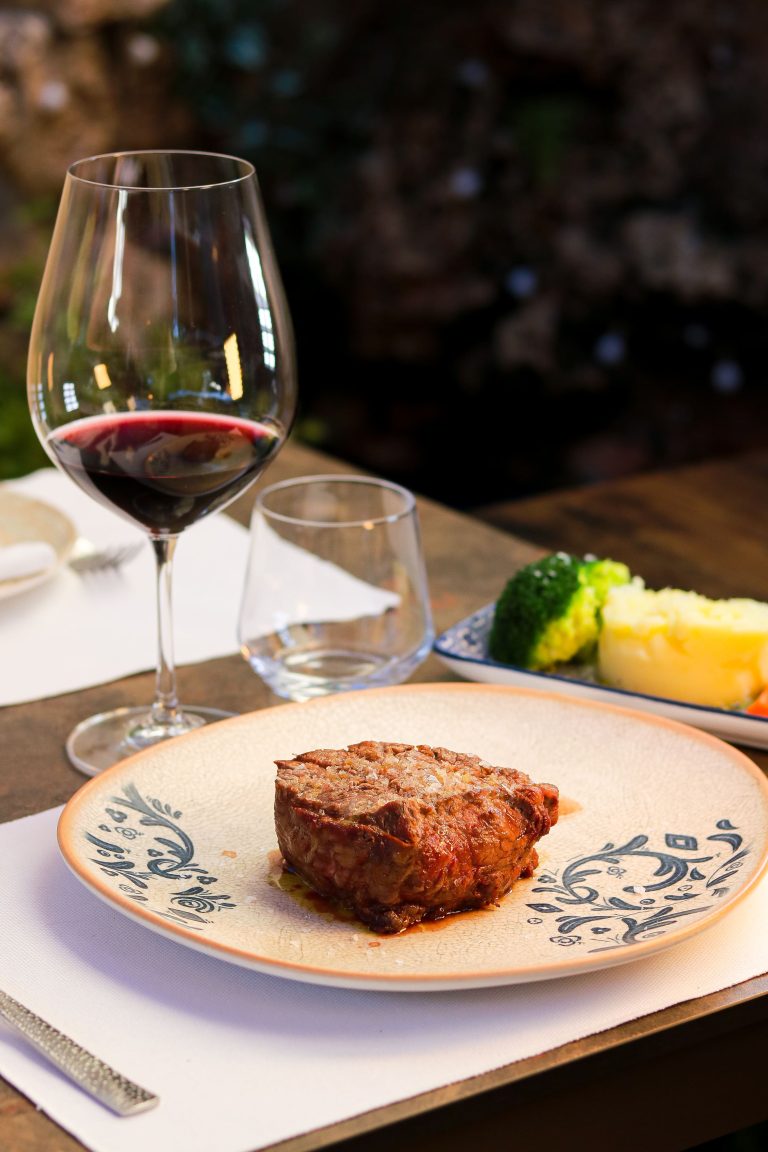
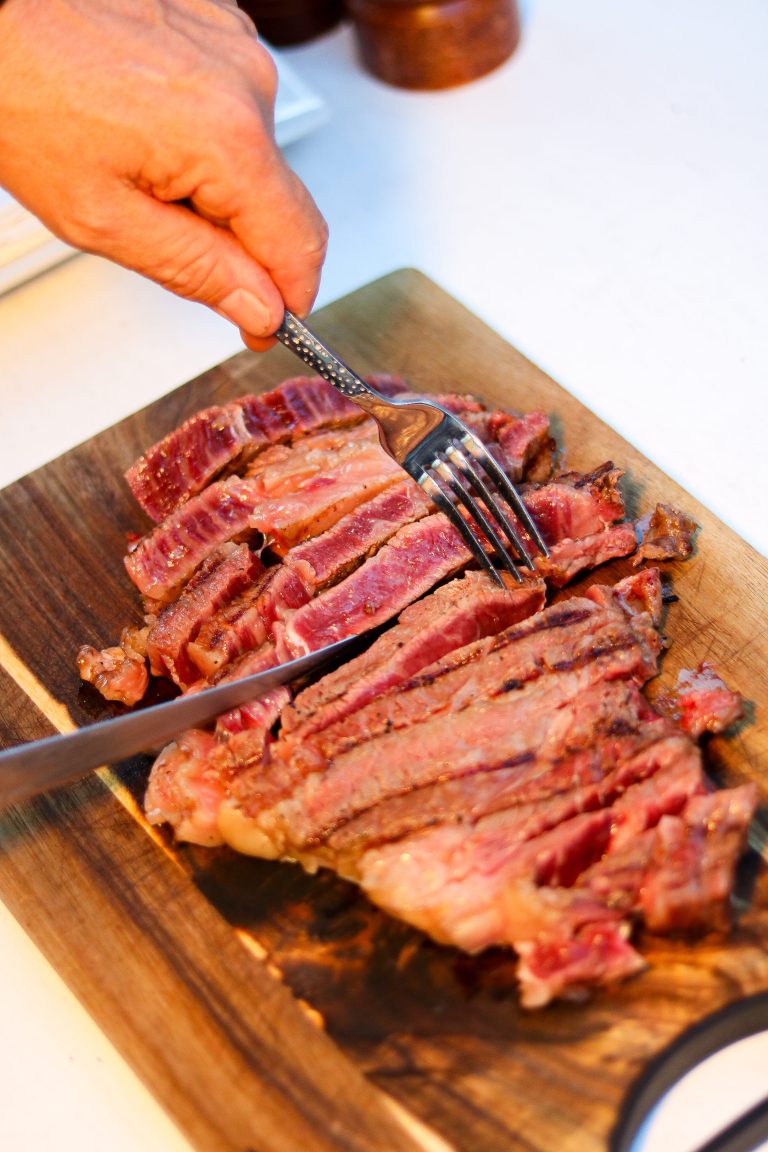
- Grilled or chargrilled meats: without batter or thickened sauces.
- Rice dishes: rice has no gluten, but ask about the stock and ingredients.
- Boards of Iberian ham and cheese: generally suitable, but without the bread.
- Fruit desserts or ice cream: check ingredients and toppings.
What to ask at the restaurant
These questions will help you find out whether a restaurant is prepared to serve you safely.
- Do you have allergen information for your dishes?
- Which dishes on the menu contain no gluten in their ingredients?
- How do you avoid cross-contamination in the kitchen?
- Do you have a fryer used only for gluten-free products?
- Do you use separate utensils, boards and surfaces?
- Do you have gluten-free bread?
- Are your kitchen staff trained in allergens?
If the answers are vague or doubtful, it is better to choose another dish or another place. A restaurant that takes allergens seriously does not mind these questions: on the contrary, it welcomes them, because they help it serve you better and more safely.
Signs of a restaurant you can trust
- Clear, accessible allergen information.
- Staff who answer without hesitating and check with the kitchen if they do not know something.
- Willingness to adapt dishes without making you feel like a nuisance.
- Awareness of cross-contamination: if they talk to you about fryers, boards and utensils, that is a good sign.
- A coeliac association badge, if they have one.
- Reviews from other coeliacs: look for reviews that mention gluten.
Before you go: how to prepare
Mention it when you book
This is the most important tip. If the restaurant knows in advance that you are coming, it can prepare, organise the kitchen and inform you better.
Check the menu online
Many restaurants publish their menu on their website. You can get an idea of which dishes might be suitable before you arrive.
Check the coeliac associations’ apps
Coeliac associations offer lists and apps with participating restaurants all over Spain.
Carry an explanatory card
If you are travelling from another country, a card in Spanish explaining your condition can be very useful for communicating with the kitchen.
During dinner
- Remind the waiter about your condition, even if you mentioned it when booking.
- Ask for your dish to be prepared and served separately.
- Move the bread away or ask them not to bring it.
- If in doubt, do not take the risk.
- If something does not convince you, ask without hesitation. It is your health.
Gluten-free drinks
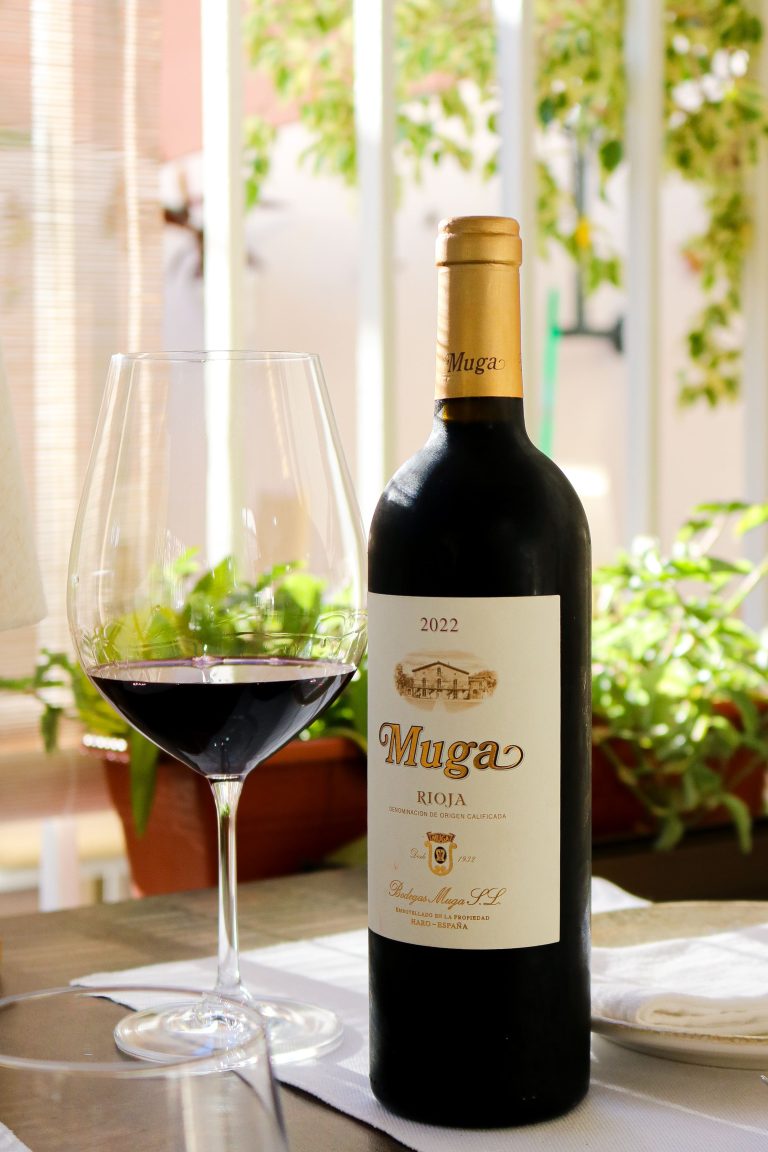
- Wine: generally suitable. You may like our guide to Málaga wines.
- Beer: regular beer contains gluten. Look for specific gluten-free beers.
- Spirits: most are considered suitable, but check mixed drinks and liqueurs with additives.
- Soft drinks, juices and water: generally suitable.
Useful phrases if you do not speak Spanish
If you are visiting Torremolinos from abroad, these phrases will help you explain yourself in any restaurant:
- Soy celíaco / soy celíaca (I am coeliac).
- No puedo comer gluten, ni siquiera trazas (I cannot eat gluten, not even traces).
- ¿Este plato lleva harina, pan o salsa de soja? (Does this dish contain flour, bread or soy sauce?).
- ¿Tienen freidora solo para productos sin gluten? (Do you have a fryer just for gluten-free products?).
- Por favor, prepárenlo aparte y con utensilios limpios (Please prepare it separately with clean utensils).
- ¿Puedo ver la información de alérgenos? (Can I see the allergen information?).
Having them written on your phone or on a card makes communication much easier, especially at busy times.
Eating out with coeliac children
When the coeliac is a child, the worry multiplies. These tips help make dinner relaxed for the whole family.
- Choose restaurants that open early: with fewer people, the kitchen can pay more attention.
- Check the children’s dishes: they are often breaded, battered or fried.
- Bring a suitable snack just in case: so the child does not go hungry if there are no safe options.
- Watch out for bread and breadsticks: they are the first thing children grab from the table.
- Check desserts and ice creams: biscuits, wafers and toppings often contain gluten.
Holidays on the Costa del Sol as a coeliac
Beyond dinners, there are other moments of the trip worth planning.
Accommodation
If you are staying in a hotel with breakfast or half board, ask before booking whether they offer gluten-free options and how they prepare them. An apartment with a kitchen gives you more control.
Supermarkets
Torremolinos and Benalmádena have supermarkets from the main chains, with gluten-free sections. It is easy to find suitable bread, pasta, biscuits and other products.
Day trips
If you are spending the day out, on the Benalmádena cable car or at a theme park, bring your own food or find out about the options beforehand.
Beach bars
For a beach lunch, espetos and chargrilled fish are good options. Avoid fried food unless a dedicated fryer is guaranteed.
Mediterranean cooking, a good ally
The good news is that Mediterranean cooking has a base very compatible with a gluten-free diet: fish, seafood, meat, vegetables, pulses, rice, olive oil, fruit and nuts.
The problem is usually not the main ingredients, but batters, flours, bread and sauces. If you focus on simple preparations, grilled, chargrilled, roasted or raw, the options multiply.
Every 27 May Spain celebrates National Coeliac Day, a date on which associations highlight the importance of food safety when eating out and of training in hospitality.
Where to look for gluten-free options in Torremolinos
Torremolinos has a very wide choice of food, and more and more restaurants list allergens or have specific options.
- La Carihuela: plenty of grilled and chargrilled fish. Be careful with fried food.
- The Centre: a wider variety of cuisines and some specialist places.
- Montemar: a quiet area for restaurant dinners, where it is easier to talk calmly with the staff.
To get to know the general choice in town, see our guide to the best restaurants in Torremolinos by area or the one on where to have dinner in Torremolinos.
Dinner at Caliu if you avoid gluten
At Caliu we cook seasonal produce and have allergen information for our dishes available to guests.
If you are coeliac, have gluten sensitivity or any other allergy or intolerance, mention it when you make your booking and remind us when you arrive. That way we can give you detailed information about the dishes on the menu and the daily menu.
We open for dinner only, from 7 pm to 11:30 pm, at Av. de España 18, in Montemar, at the western end of La Carihuela. If you prefer a quieter dining room, the first slot, from 7 pm, is usually the calmest.
Myths about gluten when eating out
“A little bit won’t hurt”
For a person with coeliac disease, it does. Even very small amounts can cause intestinal damage, although they do not always cause immediate symptoms.
“If I take the bread off, it is gluten-free”
No. If a dish has been in contact with bread or assembled on it, it may already be contaminated. It has to be prepared again.
“Hot oil gets rid of gluten”
False. Gluten does not disappear at frying temperature. That is why a shared fryer is one of the biggest risks.
“Gluten-free is the same as flour-free”
Not at all. Gluten can be in sauces, stocks, cured meats, spice mixes, dressings or beers. That is why checking every ingredient is so important.
“Oats are always suitable”
Only oats specifically certified gluten-free can be considered suitable, and not everyone with coeliac disease tolerates them.
Good practices you should find in the kitchen
These are some of the measures a well-prepared restaurant usually applies to serve gluten-free dishes safely:
- Cleaning surfaces and utensils before preparing the dish.
- Using separate or freshly washed boards, knives and containers.
- Preparing the gluten-free dish first or in a separate area.
- Suitable ingredients stored separately and sealed.
- A dedicated fryer if gluten-free fried food is offered.
- Clear communication between dining room and kitchen, identifying the dish when it is served.
The restaurant does not need to be specialist, but it does need to understand these guidelines and apply them when you ask.
Common mistakes when eating out gluten-free
- Assuming a dish is suitable just from its main ingredients.
- Forgetting the shared fryer.
- Trusting the “very low gluten” label.
- Not mentioning it until you order.
- Accepting vague answers so as not to be a bother.
Frequently asked questions about gluten-free dining in Torremolinos
Are restaurants required to provide gluten information?
Yes. Under European Regulation 1169/2011, they must provide information on the 14 main allergens, including gluten.
Is fried fish suitable for coeliacs?
Usually not, because it is dusted in wheat flour and fried in shared oil. It is only safe with suitable flour and a dedicated fryer.
Do espetos contain gluten?
The traditional recipe, sardines with salt grilled over a fire, contains no gluten.
Does gazpacho contain gluten?
The traditional recipe includes bread. Always ask, as some versions are made without it.
What does “gluten-free” mean?
That the food contains a maximum of 20 mg of gluten per kilo, according to European Regulation 828/2014.
How do I find restaurants for coeliacs?
Through coeliac associations and their apps, through reviews and, above all, by asking the restaurant directly.
Conclusion
Gluten-free dining in Torremolinos is perfectly possible, but it requires information and communication. Mention it in advance, ask about cross-contamination and choose dishes that are naturally gluten-free.
And above all, do not settle for vague answers. A good restaurant will understand your questions and help you enjoy a relaxed dinner.
If you would like to have dinner with us, tell us your needs when you book. Book your table at Caliu.
This article is for information only and is not a substitute for medical advice. If you have questions about your diet, consult your doctor or a coeliac association.